
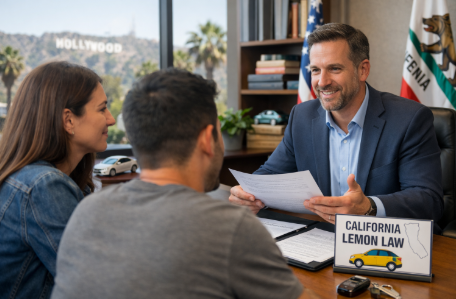
Key Takeaways
- California Lemon Law protects consumers whose vehicles have recurring defects under warranty.
- Los Angeles drivers may qualify for a buyback or replacement if repair attempts are unsuccessful.
- The law applies to new and certain used vehicles still covered by a manufacturer’s warranty.
- Proper documentation of repairs and timelines is essential for a valid claim.
- Legal guidance can help consumers understand eligibility and procedural requirements.
Introduction
California Lemon Law protects Los Angeles drivers by providing legal remedies when a vehicle under warranty has recurring defects that the manufacturer cannot fix after a reasonable number of repair attempts. For consumers dealing with ongoing safety issues, mechanical failures, or repeated dealership visits, consulting a comprehensive California Lemon Law Guide can help clarify your consumer rights under state statutes.
Vehicle ownership in Los Angeles often involves long commutes and daily reliance on dependable transport. When a defective car disrupts work, family responsibilities, or safety, the financial and practical consequences can be significant. This guide explains how California Lemon Law works, who qualifies, and how buyback or replacement claims are handled in a clear and balanced way.
What Is California Lemon Law?
California Lemon Law is part of the Song-Beverly Consumer Warranty Act, a state law designed to protect consumers who purchase or lease defective vehicles under warranty.
The law requires manufacturers to repair defects covered by the original warranty. If the manufacturer cannot fix the issue after a reasonable number of attempts, the consumer may be entitled to either:
- A vehicle replacement, or
- A repurchase (commonly referred to as a buyback).
The purpose of California Lemon Law is not to penalise manufacturers but to ensure consumers are not left with a defective vehicle that fails to meet warranty standards.
Who Qualifies Under California Lemon Law in Los Angeles?
Not every vehicle issue qualifies under California Lemon Law. Eligibility depends on several key factors.
Warranty Coverage
The vehicle must be covered by the manufacturer’s original warranty at the time the defect first appears. This includes:
- New vehicles
- Certified pre-owned vehicles with manufacturer warranties
- Some leased vehicles
- Certain used vehicles still under warranty
Private sales without warranty coverage are generally not included.
Substantial Defect Requirement
The defect must substantially impair the vehicle’s:
- Use
- Value
- Safety
Minor cosmetic issues typically do not qualify unless they significantly affect safety or function.
Reasonable Number of Repair Attempts
California Lemon Law does not define an exact number of attempts, but courts often consider:
- Two or more attempts for serious safety defects
- Four or more attempts for non-safety-related defects
- 30 or more cumulative days in the repair shop
Each case depends on specific facts and documentation.
What Counts as a “Lemon” Vehicle?
A “lemon” is generally a vehicle with recurring defects that persist despite reasonable repair efforts.
Common examples include:
- Transmission failures
- Engine stalling
- Brake system defects
- Electrical malfunctions
- Steering or suspension issues
If a vehicle repeatedly returns to the dealership for the same unresolved problem, it may meet the criteria under California Lemon Law.
In Los Angeles, where traffic congestion increases reliance on reliable braking, steering, and engine performance, safety-related defects may carry additional practical significance. Working with local LA Lemon Law Attorneys can help local drivers navigate complex dealer disputes effectively.
How the Lemon Law Buyback or Replacement Process Works
Understanding the process can help consumers make informed decisions.
Step 1: Document All Repairs
Keep copies of:
- Repair orders
- Invoices
- Service records
- Communication with the dealership
Accurate documentation strengthens a claim under California Lemon Law.
Step 2: Allow Reasonable Repair Attempts
Manufacturers must be given an opportunity to fix the issue. Skipping repair attempts may weaken a claim.
Step 3: Evaluate Eligibility
If the defect persists, the next step is reviewing whether the case meets the legal standard for a buyback or replacement.
Step 4: Manufacturer Response
If a claim proceeds, the manufacturer may:
- Offer a settlement
- Propose a buyback
- Offer a replacement vehicle
- Dispute eligibility
A buyback typically includes reimbursement for purchase price, taxes and registration, and certain incidental expenses. However, the manufacturer may deduct a mileage offset for use before the first repair attempt. Each case depends on detailed calculations and documentation.
Common Misunderstandings About Lemon Law Claims
- “Any Defect Qualifies”: Not all vehicle problems meet the legal threshold. The defect must be substantial and covered by warranty.
- “One Repair Is Enough”: In most cases, multiple repair attempts are required before California Lemon Law remedies apply.
- “Used Cars Never Qualify”: Used vehicles may qualify if still covered by a manufacturer’s warranty at the time the defect arises.
- “The Process Is Automatic”: Manufacturers do not automatically issue buybacks. Consumers must demonstrate eligibility with evidence.
Why Legal Representation May Be Helpful
California Lemon Law claims can involve technical and legal evaluation of repair history, warranty terms, vehicle usage, mileage calculations, and manufacturer defences.
An experienced California Lemon Law Attorney can assess whether a claim meets legal criteria and help navigate communication with the manufacturer.
Importantly, the law includes fee-shifting provisions in certain circumstances, meaning manufacturers may be required to pay reasonable attorney fees if the consumer prevails. However, outcomes vary depending on the facts of each case. Consumers should seek clear, transparent advice before proceeding with a claim.
Conclusion
California Lemon Law provides structured legal protection for Los Angeles drivers experiencing recurring vehicle defects under warranty. By requiring manufacturers to repair defects or offer buybacks or replacements when repairs fail, the law helps balance consumer and manufacturer responsibilities.
Understanding eligibility requirements, documentation standards, and procedural steps allows consumers to make informed decisions. While not every defect qualifies, drivers facing persistent mechanical issues may have rights worth evaluating carefully.
Summary
Los Angeles drivers who experience repeated vehicle defects under warranty may be protected under California Lemon Law. Eligibility depends on warranty coverage, the severity of the defect, and reasonable repair attempts. Proper documentation and careful review of repair history are essential before pursuing a buyback or replacement claim.
Book a Strategy or Discovery Call
If you would like clarity about whether your vehicle may qualify under California Lemon Law, you may consider scheduling a confidential strategy call.
This discussion is designed to review your repair history, explain your options, and help you understand the process. There is no pressure and no obligation, only clear information to support informed decision-making.
Frequently Asked Questions
How many repair attempts are required under California Lemon Law?
There is no fixed number. Courts generally consider two attempts for serious safety issues or four for other defects as potentially reasonable, depending on the circumstances.
Does California Lemon Law apply to leased vehicles?
Yes. Leased vehicles covered by the manufacturer’s warranty may qualify if they meet the defect and repair requirements.
What is a mileage offset?
A mileage offset is a deduction manufacturers may apply to a buyback amount to account for vehicle use before the first repair attempt.
Are cosmetic defects covered?
Cosmetic issues typically do not qualify unless they substantially impair the vehicle’s use, value, or safety.
How long do I have to file a Lemon Law claim in California?
Claims are subject to statutes of limitation. Consumers should seek legal advice promptly to avoid missing deadlines.
Can I pursue a claim if my car is still drivable?
Yes, a vehicle does not need to be completely inoperable. The key question is whether the defect substantially impairs use, value, or safety.