
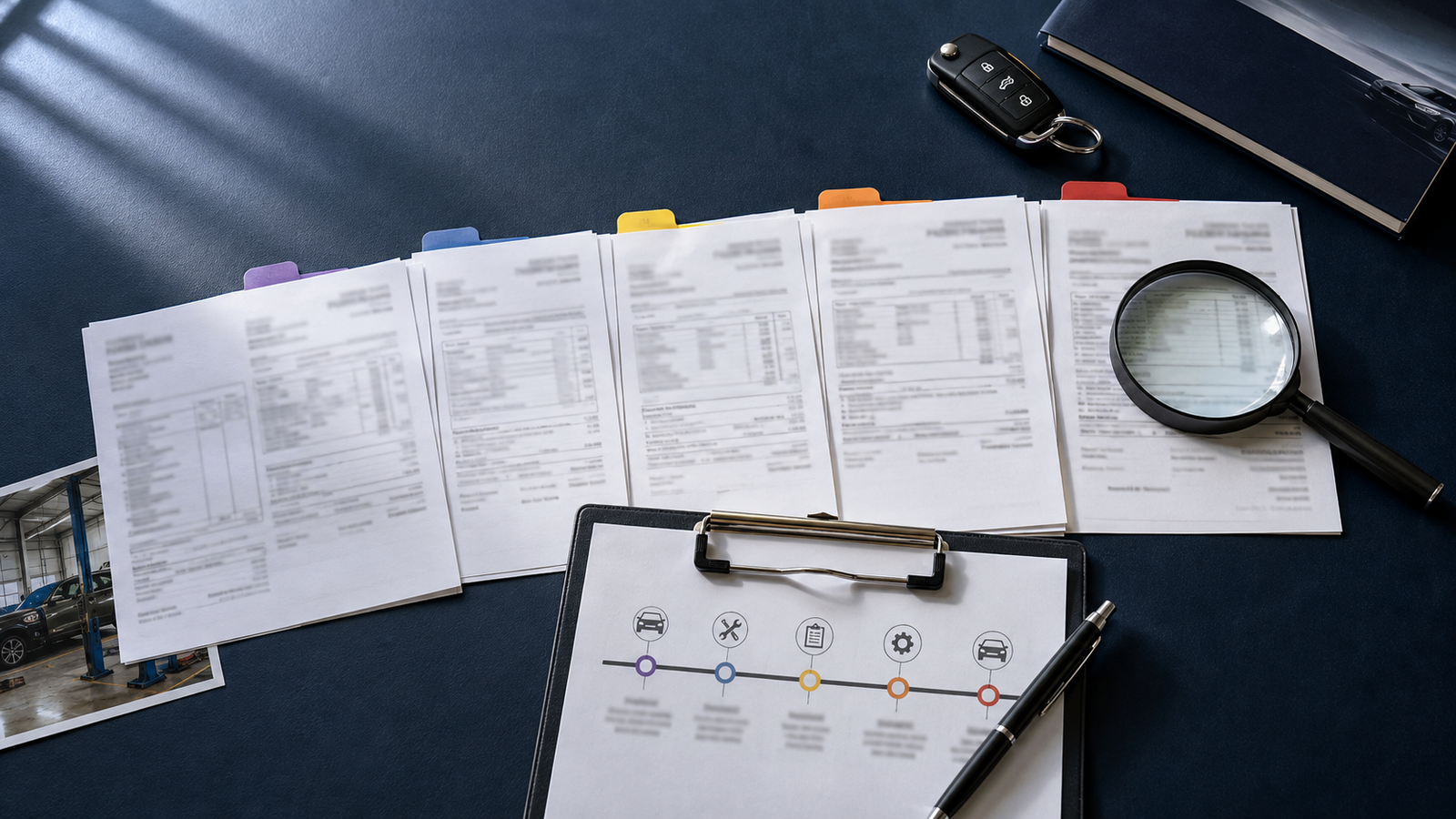
A free lemon law case review in California works by allowing a specialized consumer rights attorney to analyze your repair records, warranty terms, and dealership communications to determine if your vehicle qualifies under the Song-Beverly Consumer Warranty Act. For budget-conscious drivers facing recurring vehicle defects, this process evaluates the legal viability of a claim and organizes core evidence long before formal demand letters are sent to the manufacturer. Because California includes statutory fee-shifting provisions, experienced lemon law attorneys conduct these initial evaluations at zero out-of-pocket cost to the consumer, offering a structured, risk-free assessment of your options.
The Legal Foundation of California Lemon Law Evidence
California’s Song-Beverly Consumer Warranty Act (California Civil Code Section 1790 et seq.) protects consumers who purchase or lease new or certified pre-owned vehicles with express manufacturer warranties. To establish a valid claim, the evidence must prove that a defect substantially impairs the vehicle’s use, value, or safety, and that the manufacturer’s authorized dealership failed to fix it after a reasonable number of repair attempts.
Understanding Legal Presumptions vs. Individual Evidence
While California Civil Code Section 1793.22 outlines a legal presumption—such as 2 or more repair attempts for a serious safety issue, 4 or more attempts for non-safety defects, or over 30 cumulative days out of service within 18 months or 18,000 miles—a claim does not strictly require meeting these exact thresholds to succeed. A claim can remain valid if a defect occurs within the broader manufacturer warranty period. However, the success of any claim outside or inside the presumption period relies heavily on the quality of the documented evidence.
Key Stages of Evidence Gathering During a Free Case Review
When you submit your vehicle information for an initial consultation, the evaluation moves through specific analytical steps.
- Step 1: Document Intake and Inventory: The legal team collects all available paperwork, including purchase or lease contracts, repair orders, dealership invoices, and warranty documents.
- Step 2: Repair Order Audit: An attorney examines the exact wording written by service advisors, comparing reported symptoms against technician diagnostic notes and completed work.
- Step 3: Timeline & Mileage Verification: Counsel logs the dates and odometer readings for every visit to establish the mileage at the first repair attempt and total out-of-service days.
- Step 4: Defect Severity Analysis: The issue is categorized by how it affects vehicle safety, operational utility, or resale value under statutory standards.
- Step 5: Pre-Claim Strategy Recommendation: The attorney outlines next steps, identifying whether additional evidence is needed, if another repair attempt is advisable, or if a formal demand can be issued.
Critical Evidence: What Attorneys Look For and Why
Not all service paperwork carries the same weight in legal proceedings. During a consultation, a lemon law attorney evaluates specific items to determine claim strength.
1. The Initial Complaint Language
The exact phrase recorded on the Repair Order (RO) when you drop off the car serves as primary evidence. Service advisors often summarize detailed consumer descriptions into generic codes like “check engine light on” or “customer states vehicle runs rough”. Attorneys check whether the advisor logged your explicit description—such as “engine stalls at highway speeds”—to prove the dealership had clear notice of a safety hazard.
2. “Could Not Duplicate” (CND) Records
When a dealer notes “Could Not Duplicate” on an invoice, consumers often assume the visit does not count toward their case. In legal review, CND orders are valuable. They prove that you presented the vehicle to an authorized facility for a specific symptom on a specific date, establishing notice to the manufacturer regardless of whether the technician identified the root cause.
3. Cumulative Days Out of Service
Under California law, time spent sitting at the dealership awaiting parts or diagnostics counts toward the 30-day out-of-service threshold. Attorneys inspect the exact drop-off and pickup dates on repair invoices to verify total downtime.
Practical Scenario: Resolving Documentation Gaps
Consider a real-world scenario involving an intermittent transmission hesitation in a leased SUV.
- The Problem: The driver experiences sudden transmission slipping at 5,000 miles. They bring the vehicle to the dealer three times. On the first two visits, the dealer notes “Could Not Duplicate” and provides no detailed paperwork. On the third visit at 14,000 miles, the dealer updates software but the problem persists.
- The Evidence Challenge: The driver believes they only have one official repair attempt on record (the third visit) because the first two produced no formal repair invoices showing work done.
- The Legal Solution: During a free case review, the attorney uses the driver’s phone logs, dealership appointment confirmations, and service department check-in sheets to request missing internal repair orders directly from the dealership’s central management system. This retrieves the initial visit records, establishing the first repair attempt at 5,000 miles rather than 14,000 miles—significantly lowering the statutory mileage deduction applied to any potential buyback payout.
Evaluation Framework: How to Assess Your File Before a Review
Before speaking with legal counsel, you can conduct a basic self-assessment using this evidence framework:
Lemon Law Evidence Checklist
- Express Warranty: Did the defect first occur and get reported while the vehicle was covered by the original manufacturer or CPO warranty?
- Authorized Facility: Were all repair attempts performed at an authorized brand dealership rather than an independent mechanic shop?
- Symptom Consistency: Do the repair records show a repeating complaint or a series of related electrical/mechanical issues over time?
- Paperwork Integrity: Do you have repair orders showing dates, mileage, and customer statements for each visit?
- Out-of-Pocket Costs: Have you retained receipts for rentals, towing, or official repairs related to the defect?
What Typical Online Consumer Advice Overlooks
Generic online guides frequently simplify California lemon law, leading vehicle owners to make avoidable errors before seeking legal review.
Overlooking the Importance of First-Visit Mileage
Many online articles focus heavily on counting total repair attempts but fail to highlight the financial importance of the initial visit mileage. Under California Civil Code Section 1793.2(d)(2)(C), the statutory usage offset charged to a consumer in a repurchase is calculated based on the mileage at the very first repair attempt for that defect. Failing to secure documentation of that initial visit can cost thousands of dollars in offset calculations.
Assuming Independent Mechanics Count Toward the Limit
A common misconception is that taking a vehicle to a local neighborhood mechanic counts toward the “reasonable number of repair attempts.” California law specifically requires that the manufacturer or its authorized dealers be given the opportunity to repair the defect. Repairs attempted by unauthorized third parties do not qualify toward statutory thresholds and can complicate warranty coverage disputes.
Misunderstanding the Role of “Free” Consultations
Consumers often worry that a “free case review” is simply a high-pressure sales pitch or carries hidden costs later. In California consumer law, fee-shifting provisions under Civil Code Section 1794(d) mean the manufacturer pays reasonable legal fees when the consumer prevails. A proper legal consultation provides an objective risk assessment without requiring out-of-pocket payment from the vehicle owner.
No Out-of-Pocket Costs: How Contingency and Fee-Shifting Work
Budget-conscious consumers often hesitate to seek legal representation due to concerns about legal bills. California lemon law litigation relies on a clear statutory structure to ensure access to justice.
- Statutory Fee-Shifting: California Civil Code Section 1794(d) mandates that when a consumer establishes a valid claim, the court requires the manufacturer to pay all reasonable attorney fees and costs.
- Separation of Settlement Funds: Attorney fees are billed separately to the manufacturer based on actual time worked (the lodestar method) and are not deducted as a contingency percentage from your vehicle refund.
- Zero Upfront Expenses: Reputable consumer rights attorneys handle lemon law reviews and litigation on a contingency basis, meaning you pay $0 out-of-pocket for case evaluations or legal representation throughout the process.
Key Takeaways
- Evidence Begins at the First Visit: The mileage logged during your first dealer visit for a defect determines the baseline for potential statutory usage deductions.
- “Cannot Duplicate” Is Valid Evidence: Unresolved diagnostic visits still serve as official legal notice to the manufacturer.
- Authorized Dealers Are Required: Only repair visits at authorized manufacturer dealerships meet statutory requirements under the Song-Beverly Act.
- Detailed Intake Protects Claim Value: Ensuring service advisors write down your exact statements prevents dealers from minimizing serious safety complaints.
- Fee-Shifting Eliminates Out-of-Pocket Risk: California law requires manufacturers to pay reasonable legal fees for successful claims, allowing consumers to access legal guidance at no upfront cost.
Frequently Asked Questions
What documents do I need to provide for a free lemon law case review?
You should gather your purchase or lease agreement, current vehicle registration, warranty booklet, all dealership repair orders or invoices, and receipts for rental cars or towing expenses.
What if I am missing some of my repair orders?
An attorney can request complete warranty and service histories directly from the authorized dealership’s central database using your Vehicle Identification Number (VIN).
Does a free consultation obligate me to file a lawsuit?
No. A case review is an informational evaluation that explains your legal rights, the strength of your evidence, and your options. You retain full control over whether to move forward.
Can a used car qualify for a lemon law case review in California?
Yes, provided the vehicle was purchased with an unexpired manufacturer’s express warranty or a Certified Pre-Owned (CPO) warranty issued by the manufacturer.
How long does the initial evidence gathering phase take?
Reviewing documents typically takes anywhere from a few days to a couple of weeks, depending on how quickly complete repair records can be gathered from the dealership.
Will I have to pay attorney fees if my case loses?
Under standard California contingency agreements in lemon law practice, if your claim does not result in a recovery, you do not pay legal fees.