
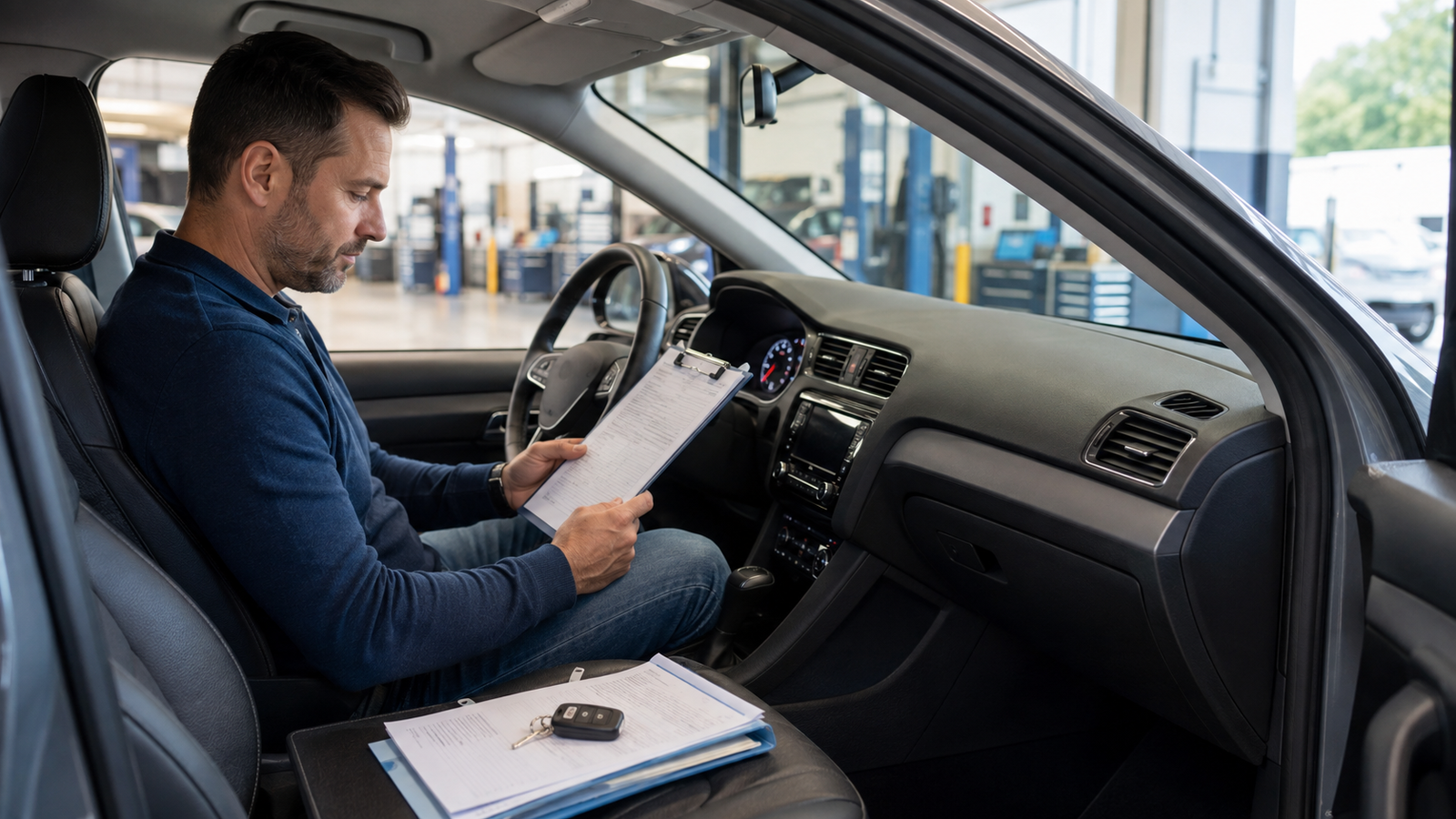
Navigating the California lemon law process requires a clear understanding of statutory requirements, precise record-keeping habits, and realistic expectations regarding settlement timelines and offset calculations. Under the Song-Beverly Consumer Warranty Act (California Civil Code Section 1790 et seq.), consumers who purchase or lease defective vehicles are entitled to a refund, vehicle replacement, or cash settlement if authorized dealerships cannot repair a substantial defect after a reasonable number of attempts. However, enforcing these rights requires claimants to avoid critical documentation mistakes, navigate pre-suit procedural requirements, and recognize how manufacturer offset rules impact final compensation.
Understanding California’s Legal Standards for Defective Vehicles
California consumer protection laws shield vehicle owners from bearing the financial burden of a defective automobile. Knowing the legal triggers for a claim helps vehicle owners evaluate their standing objectively.
What Vehicles Qualify?
The Song-Beverly Act applies to a wide range of consumer vehicles:
- New and Leased Vehicles: Cars, trucks, SUVs, and vans sold or leased at retail in California.
- Certified Pre-Owned (CPO) Vehicles: Used vehicles sold with an active, manufacturer-backed express warranty.
- Small Business Vehicles: Vehicles registered to a business or individual, provided the business has no more than five vehicles registered in California and the vehicle gross weight is under 10,000 pounds.
The Substantial Impairment Threshold
A qualifying defect cannot be purely superficial. The law requires that the defect “substantially impair” the vehicle’s:
- Safety: Severe conditions like sudden engine stalls, air bag failures, steering locks, or braking issues.
- Use: Problems that prevent normal daily driving, such as chronic transmission slipping or severe climate control failures.
- Value: Significant mechanical or electrical flaws that cause a steep drop in the vehicle’s resale market value.
Presumption Rules vs. General Warranty Coverage
California Civil Code Section 1793.22 sets forth a rebuttable presumption that a vehicle is a lemon if specific conditions occur within 18 months of delivery or 18,000 miles:
- Two or More Repair Attempts: For a defect likely to cause serious injury or death.
- Four or More Repair Attempts: For the same non-safety defect.
- 30 or More Days Out of Service: Cumulative calendar days the vehicle spends at the dealership for warranty repairs.
Meeting this presumption shifts the burden of proof to the manufacturer. However, a claim remains fully valid past 18 months or 18,000 miles, provided the first repair attempt occurred while the vehicle was still covered by the manufacturer’s express warranty.
Step-by-Step Decision Framework for Vehicle Owners
Evaluating your readiness to initiate a lemon law claim involves a structured review of your vehicle’s history:
- Step 1: Check Warranty Status: Confirm that the initial symptom occurred and was formally reported while the manufacturer’s express warranty was active.
- Step 2: Perform a Repair Record Audit: Collect every Repair Order (RO) and final itemized invoice for each visit to an authorized dealership.
- Step 3: Review Symptom Consistency: Ensure repair records show a repeating complaint or a series of connected component failures.
- Step 4: Calculate Total Out-of-Service Days: Add up all days the car sat at the dealership, including days spent waiting for backordered parts.
- Step 5: File Pre-Suit Formal Notice: Check procedural rules (such as written notice requirements) if seeking civil penalties prior to litigation.
How Repurchase Financials Work: The Statutory Usage Offset
When an automaker repurchases a vehicle, they must refund the down payment, all monthly principal and interest payments, finance charges, registration fees, and out-of-pocket incidental expenses (e.g., towing or car rentals). However, the law permits the manufacturer to subtract a statutory usage offset for the trouble-free miles driven before the first repair attempt.
The Statutory Formula
California Civil Code Section 1793.2(d)(2)(C) sets the mileage deduction formula:
Because the deduction is anchored exclusively to the mileage logged during the first repair visit for that defect, proper record-keeping on your initial dealer visit directly protects your financial payout.
Practical Scenario: The Cost of Inaccurate Records
Consider a driver who purchases a vehicle for $48,000 and experiences transmission hesitation.
- Scenario A (Accurate First Visit Record at 3,000 Miles):
- Calculation: (3,000 / 120,000) X $48,000$
- Statutory Deduction: $1,200
- Buyback Refund Value: $46,800
- Scenario B (Initial Visit Omitted; First Recorded Visit at 18,000 Miles):
- Calculation: (18,000 / 120,000) X $48,000
- Statutory Deduction: $7,200
- Buyback Refund Value: $40,800
If the service advisor fails to write down the driver’s complaint at 3,000 miles, the manufacturer will attempt to use the 18,000-mile invoice for the deduction. That paperwork error reduces the consumer’s refund by $6,000.
What Typical Online Advice Overlooks
Generic consumer guides often oversimplify California lemon law, leading claimants to make strategic mistakes during early negotiations.
The Role of Mandatory Pre-Suit Notice Rules
Under California Civil Code procedural guidelines, consumers intending to pursue civil penalty remedies against an automaker must often provide formal written notice to the manufacturer at least 30 days prior to filing formal litigation. Online guides often suggest jumping straight to filing a court complaint, but bypassing pre-suit demand notices can limit your financial remedies.
Maintaining Possession of Leased Vehicles
Inexperienced claimants sometimes return leased vehicles at lease-end while an active lemon law claim is pending. However, returning or surrendering the leased asset prematurely can complicate standing and delay settlement negotiations. Claimants should consult legal counsel before surrendering or trading in a defective vehicle during an active claim.
Independent Shop Inspections Do Not Count
A common misconception is that bringing a vehicle to a trusted neighborhood mechanic counts toward statutory repair attempt limits. California law explicitly mandates that repair attempts must be completed at an authorized brand dealership to satisfy statutory requirements. Independent shop records cannot be used to meet the “reasonable number of attempts” threshold.
Statutory Fee-Shifting: Zero Out-of-Pocket Legal Expenses
Many vehicle owners delay seeking help because they fear expensive legal fees. California law addresses this through a protective statutory structure.
- One-Way Fee-Shifting: Under California Civil Code Section 1794(d), when a consumer prevails in a lemon law claim, the court mandates that the manufacturer pay all reasonable attorney fees and court costs.
- No Settlement Deductions: Legal fees are billed directly to the automaker based on actual hours worked (the lodestar method). They are not taken as a contingency percentage out of your buyback check.
- Contingency Representation: Consumer rights attorneys handle lemon law case reviews and claims on a contingency basis, ensuring budget-conscious consumers pay $0 out-of-pocket for legal representation.
Key Takeaways
- First-Visit Mileage Anchors Your Refund: The statutory usage deduction is locked in based on the odometer reading of your very first repair visit for the defect.
- Use Authorized Dealerships: Only repair attempts performed by authorized manufacturer dealerships satisfy California lemon law standards.
- Pre-Suit Procedural Rules Apply: Formal written pre-suit notices are often required before initiating litigation to preserve civil penalty options.
- Inspect Invoices Every Time: Verify that service advisors write down your exact descriptions, open dates, and close dates before leaving the dealership.
- Fee-Shifting Protects Consumers: Under California Civil Code Section 1794(d), the manufacturer pays reasonable legal fees when you win or settle, eliminating upfront costs.
Frequently Asked Questions
What qualifies as a lemon under California law?
A vehicle qualifies if a recurring warranty defect substantially impairs its use, safety, or value, and an authorized dealership cannot repair it after a reasonable number of attempts.
How long do I have to file a California lemon law claim?
Claims must generally be filed within the applicable statute of limitations, typically within one year after warranty expiration, up to a maximum of six years from original delivery, subject to repair tolling rules.
Can used or leased vehicles qualify for lemon law protection?
Yes. Leased vehicles and used vehicles covered by an unexpired manufacturer express warranty or Certified Pre-Owned (CPO) warranty qualify under the Song-Beverly Act.
How is the mileage usage fee calculated?
The mileage offset is calculated by multiplying the vehicle purchase price by the mileage recorded at the first repair visit for the issue, divided by 120,000.
What if the dealership states they "could not duplicate" the issue?
Could not duplicate” invoices still serve as vital evidence. They prove you provided the dealership with official notice of the defect on that specific date and mileage reading.
Do I have to pay upfront attorney fees for a lemon law attorney?
No. Under California Civil Code Section 1794(d), reasonable legal fees are paid separately by the automaker when you prevail.