When Can a Lemon Law Attorney Help You Get a Vehicle Buyback in California?
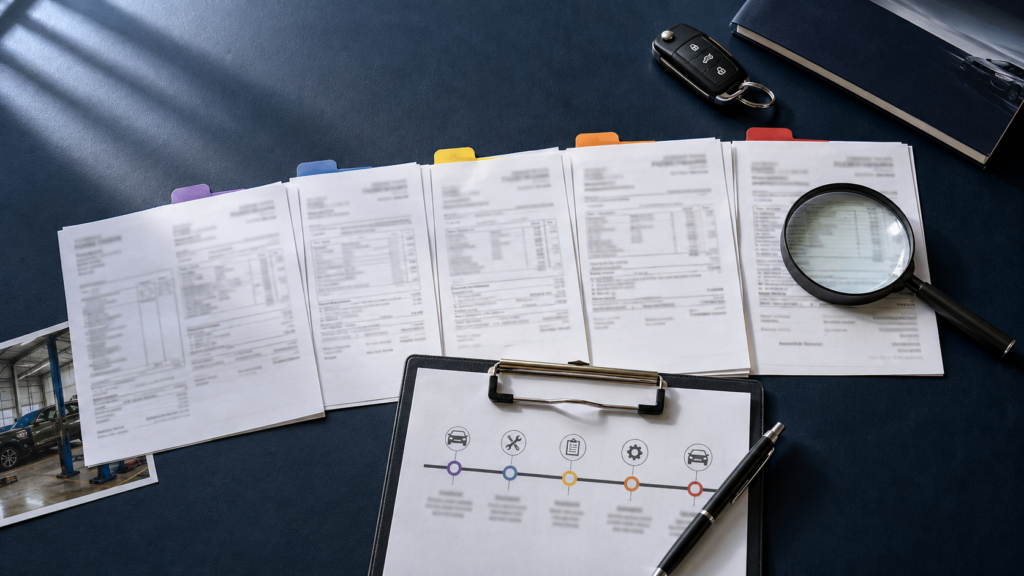
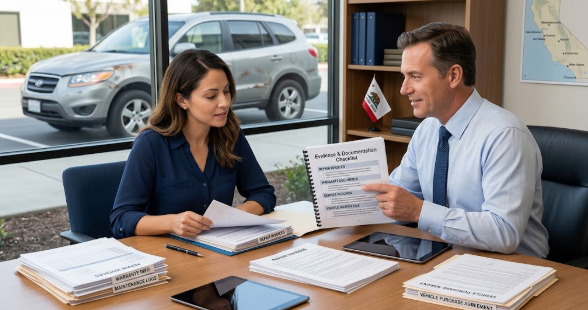
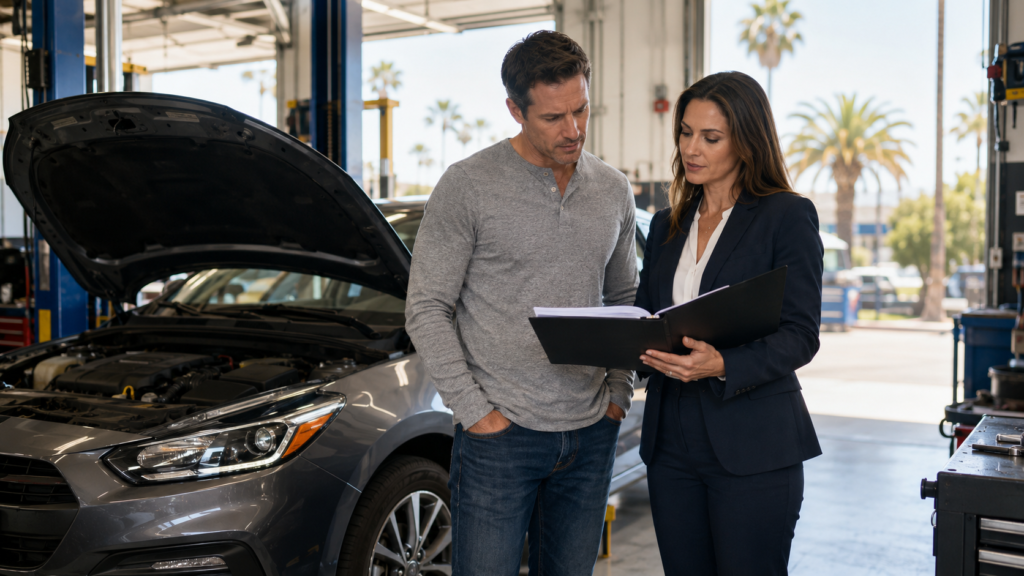
Key Takeaways A vehicle buyback may be available when a qualifying vehicle has a covered defect that the manufacturer cannot repair within a reasonable number of attempts. California’s Song-Beverly Consumer Warranty Act provides important protections for eligible consumers with defective vehicles. Repair orders, warranty documents, purchase agreements, and records of days out of service can help support a claim assessment. A lemon law attorney can explain eligibility requirements, potential buyback calculations, procedural options, and relevant deadlines. A buyback is not automatic. The outcome depends on the vehicle’s circumstances, applicable law, and available evidence. Introduction A lemon law attorney can help California vehicle owners evaluate whether they may qualify for a manufacturer buyback when a vehicle has recurring defects that remain unresolved after reasonable repair opportunities. A buyback generally involves the manufacturer repurchasing an eligible vehicle under applicable legal requirements, with the amount determined by factors such as the transaction details, allowable deductions, and other relevant circumstances. Understanding when this remedy may apply is important for consumers who continue experiencing warranty-related problems and need to consider their legal options. California’s Song-Beverly Consumer Warranty Act establishes protections for qualifying consumers whose vehicles have covered defects that manufacturers cannot repair as required by law. However, repeated repairs do not automatically establish eligibility for a buyback. Warranty coverage, the nature of the defect, repair history, vehicle use, and other legal requirements must be considered. A lemon law attorney can help explain these factors, review relevant documents, and clarify what steps may be appropriate for a particular situation. What Is a Vehicle Buyback Under California Lemon Law? A vehicle buyback is a potential legal remedy in which a manufacturer repurchases a qualifying vehicle rather than continuing to attempt repairs indefinitely. Depending on the circumstances, California lemon law may require a manufacturer to repurchase or replace a vehicle when the applicable statutory conditions are satisfied. How the Buyback Process Works The process generally begins with identifying a qualifying defect and reviewing whether the manufacturer has had a reasonable opportunity to repair it. The vehicle owner must establish the relevant facts using available records and other evidence. A lemon law attorney can assess whether the circumstances may support a repurchase request. The attorney may also explain how the vehicle’s purchase or lease agreement, warranty, financing arrangements, and repair history affect the analysis. A buyback does not necessarily mean the consumer receives every payment made on the vehicle without adjustments. Depending on applicable law and the circumstances, the calculation may account for factors such as mileage before the first qualifying repair attempt, certain charges, and outstanding financial obligations. Buyback Versus Vehicle Replacement A manufacturer repurchase and a vehicle replacement are different potential remedies. A repurchase generally involves returning the qualifying vehicle in exchange for a calculated amount under the applicable legal framework. A replacement involves providing another vehicle under the terms required or agreed upon. A lemon law attorney can explain the differences and help the consumer understand which remedies may be legally available. The appropriate option depends on the evidence, statutory requirements, and the specifics of the claim rather than personal preference alone. When May You Qualify for a California Lemon Law Buyback? Eligibility depends on several factors. A vehicle owner should not assume that every mechanical issue or unsuccessful repair automatically qualifies for repurchase. Repeated Unsuccessful Repair Attempts A vehicle may have a potential lemon law issue when a substantial defect continues despite repeated repair attempts under the manufacturer’s warranty. Examples can include recurring transmission failures, engine stalling, electrical system malfunctions, or problems affecting braking and steering. A lemon law attorney can review the repair history to determine whether the manufacturer has received a reasonable number of opportunities to fix the problem. The required number of attempts depends on the circumstances and applicable legal standards. Defects That Affect Vehicle Use, Value, or Safety California’s lemon law generally focuses on qualifying defects that substantially impair a vehicle’s use, value, or safety. A minor issue that does not meet the relevant legal standard may not support a buyback claim. For example, a recurring engine problem that causes unexpected stalling may raise different legal concerns from a cosmetic issue that does not affect vehicle operation. The specific facts, warranty coverage, and available technical evidence matter. A lemon law attorney can help evaluate whether the reported problem may meet the applicable standard. Consumers should describe defects accurately and retain supporting documentation. Extended Time in the Repair Shop The length of time a vehicle remains unavailable because of warranty repairs can also be relevant. California law includes a lemon law presumption that may apply when a vehicle is out of service for repair for a cumulative total of more than 30 days during the applicable period, subject to statutory conditions and exceptions. This is not a universal requirement for every claim. A vehicle may qualify for consideration under other circumstances, and the relevant legal presumption has specific conditions. A lemon law attorney can review service dates, repair invoices, and other records to establish how long the vehicle was unavailable and whether that history is legally significant. What Evidence Helps Support a Vehicle Buyback Claim? Documentation helps establish the nature of the defect, the manufacturer’s repair opportunities, and the vehicle’s warranty status. Organized records also make it easier to identify missing information before evaluating a potential claim. Important Documents to Collect Consider gathering the following: Purchase or lease agreements and financing documents. Manufacturer warranty information and relevant coverage records. Repair orders, dealership invoices, and diagnostic reports. Dates when the vehicle entered and left the repair facility. Written communications with the dealership or manufacturer. Records describing recurring symptoms, warning lights, or safety concerns. A lemon law attorney can use these materials to build a timeline of the vehicle’s problems and assess whether the available evidence supports further review. Why Repair Descriptions Matter When presenting a vehicle for service, describe the symptoms clearly and accurately. If the same problem returns, document when it occurred and explain the issue during the next service visit.
When Can a Lemon Law Attorney Help You Get a Vehicle Buyback in California? Read More »